
"Andes coffee"
3000 article(s) found

There is a clear introduction to the quality and acidity of Colombian coffee varieties in the Cauca Cauca Andes.
Colombian coffee has a silky taste. Colombian coffee is equated with high quality and good taste. It is sweet in acid, low in bitterness, rich in nutrition, with a unique sour and mellow taste, and the sour, bitter and sweet flavors of Colombian super coffee match well. Unique fragrance, after drinking, the aroma fills the whole mouth. Put the fragrance in the mouth
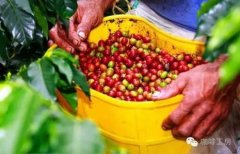
A brief introduction to the flavor and taste characteristics of boutique coffee in Santa Cruz Manor, Ecuador
Central mountain: after entering Ecuador from Colombia, the Andes is divided into the eastern and western Cordillera mountains, with a plateau high in the north and low in the south, averaging between 2500 and 3000 meters above sea level. The Andes run through the middle of the border. The ridges crisscross, dividing the plateau into more than ten intermountain basins. The most important are the Quito basin and the Cuenca basin in the south. Volcanic crowds in the territory

Introduction to the fragrant Ecuadorian Coffee Flavor and the Fine Coffee in the Manor area
Ecuador is divided into the western coast, the central mountains, the eastern Amazon River basin and the four central regions of the Galapagos Islands, with diverse climatic conditions. The western coastal plain belongs to the tropical rain forest climate, with an average temperature of 23-25 ℃. The central Andes. The intermountain basin in this area belongs to the savanna climate, and the mountain belongs to the subtropical forest climate, with perennial snow above 4000 meters above sea level. Annual average decline

Introduction to the origin of boutique coffee beans the characteristics of Ecuadorian coffee Ecuador coffee Ecuador Guado
The Arabian Coffee Tree was first introduced to Ecuador (Ecuador) in 1952 and its coffee is of good quality, especially the coffee harvested in early June. Ecuador's coffee origin: the best Arabica coffee is produced in the Andes, especially in the Chanchagu Valley (ChanchamgoValley). The Andes are divided into two mountains, extending from south to north to central Ecuador. Ecuador

Fragrant Ecuadorian Coffee Flavor Manor Taste introduces boutique coffee beans
Ecuador is one of the few countries in South America that produces both Arabica coffee and Robbins coffee. However, as the land suitable for Arabica coffee trees is decreasing, the production of Robbins coffee is gradually increasing. The best Arabica coffee comes from the Andes, especially the Chanchagu Valley (ChanchamgoValley), which is divided into two mountains, from the south to the south.

How about Colombian coffee beans? Lazmos Manor single bean flavor describes the planting history.
Professional barista communication please pay attention to the coffee workshop (Wechat official account cafe_style) Colombian coffee Columbia super, is a very representative of Arabica coffee varieties, is the traditional deep-roasted coffee, with a strong and memorable taste. Colombian coffee has a bitter experience, it is as astringent as life, but bitterness is life.
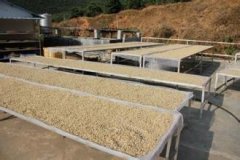
Light floral fruity Galapagos Fine Coffee Bean Growing Location Climate Elevation Simple
Central mountains: Andes from Colombia into Ecuador Err border, divided into east and west Cordillera mountains, between the two mountains for the north high south low plateau, average altitude between 2500 meters to 3000 meters. The Andes run through the middle of the border. Ridges crisscross the plateau, dividing it into more than a dozen intermountain basins. The most important are Quito Basin and Cuenca in the south.

Colombia Na Linglong Coffee Bean Flavor Characteristics Colombia Na Linglong Flavor How to describe
Professional coffee knowledge exchange More coffee bean information Please pay attention to coffee workshop (Weixin Official Accounts cafe_style) Colombia Nalinglong coffee production area is produced by 37 cities in Nalinglong province. Colombia's Nalinglong production area is near the equator at latitude 0℃, and the number of sunshine hours received every day is almost the same throughout the year, with an average sunshine time of 1666 hours per year. At the same time, the location of the production area and the land

Introduction to the characteristics of coffee flavor and taste in the fragrant Santa Cruz Manor of Ecuador
The Republic of Ecuador is located in northwestern South America. It is bordered by Colombia in the northeast, Peru in the southeast and the Pacific Ocean in the west. It covers an area of 256370 square kilometers and the coastline is about 930km long. The equator runs through the north of the border, and Ecuador means the Spanish equator. Ecuador is divided into the western coast, the central mountains, the eastern Amazon River basin and the four central regions of the Galapagos Islands.

Introduction to the Flavor and Taste of Coffee Manor in Ecuador
West coast: including coastal plains and foothills, high in the east and low in the west, generally below 200 meters above sea level, with some hills and low mountains at an altitude of 600 to 700 meters. Belongs to the tropical rain forest climate, the southernmost end begins to transition to the savanna climate. The average annual precipitation decreases from more than 3000 mm to about 500mm from north to south. Central Mountains: the Andes enter Ecuador from Colombia

Columbia Linglong Coffee Flavor characteristics Columbia Linglong Aponte Manor Kaddura species
Professional coffee knowledge exchange more information about coffee beans Please follow the coffee workshop (Wechat official account cafe_style) coffee produced in Colombia, just like good wine produced in Argentina. The last stop of our free tour is to visit a local coffee shop, specializing in baking and tasting Colombian coffee. The guide told us that good coffee beans should be roasted and baked.

Pure Aromatic Galapagos Fine Coffee Bean Grind Roast Degree Treatment Method Introduction
Central mountains: Andes from Colombia into Ecuador after the border, divided into east and west Cordillera mountains, between the two mountains for the north high south low plateau, an average altitude of 2500 meters to 3000 meters between. The Andes run through the middle of the border. Ridges crisscross the plateau, dividing it into more than a dozen intermountain basins. The most important are the Quito basin and the Cuenca basin in the south. Domestic fire

Introduction to the characteristics of Ecuadorian Coffee Flavor Manor with well-balanced taste
West coast: including coastal plains and foothills, high in the east and low in the west, generally below 200 meters above sea level, with some hills and low mountains at an altitude of 600 to 700 meters. Belongs to the tropical rain forest climate, the southernmost end begins to transition to the savanna climate. The average annual precipitation decreases from more than 3000 mm to about 500mm from north to south. Central Mountains: the Andes enter Ecuador from Colombia

Introduction to the characteristics of Ecuador Fine Coffee Flavor Manor
Ecuador is divided into the western coast, the central mountains, the eastern Amazon River basin and the four central regions of the Galapagos Islands, with diverse climatic conditions. The western coastal plain belongs to the tropical rain forest climate, with an average temperature of 23-25 ℃. The central Andes. The intermountain basin in this area belongs to the savanna climate, and the mountain belongs to the subtropical forest climate, with perennial snow above 4000 meters above sea level. Annual average decline

A brief introduction to the description of the regional flavor produced by the grinding scale treatment of Columbia Huilan coffee beans
Colombian coffee is divided into more than 200 grades, which means that the coffee is very regional. The country's coffee-producing areas are located in the Andes, where the climate is mild and the air is humid. Colombia has three Codiera mountains running north and south, right into the Andes. Coffee is grown along the highlands of these mountains. The mountain steps provide a diverse climate, and it is the harvest season all year round.
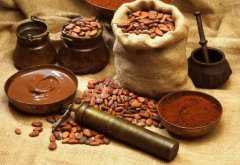
Characteristics of coffee bean flavor in the planting environment of Lazmus Manor in Colombia
Colombian coffee has a bitter experience, it is as astringent as life, but bitterness is necessary in life, and the last fragrance at the root of the tongue is a thorough recollection of the past. Looking back on the hardship in the past, I will feel its sweetness and warmth even more, and I want to let the mood stop in the consciousness that begins to awaken for a long time. Suffering is pain, clear and quiet, the last fragrance has become a kind of spiritual victory.

Introduction to Lazimus Manor in Columbia Coffee Manor
Colombian coffee is divided into more than 200 grades, which means that the coffee is very regional. The country's coffee-producing areas are located in the Andes, where the climate is mild and the air is humid. Colombia has three Codiera mountains running north and south, right into the Andes. Coffee is grown along the highlands of these mountains. The mountain steps provide a diverse climate, and it is the harvest season all year round.

Introduction to Galapagos Coffee in Ecuador Coffee Manor
The Republic of Ecuador is located in northwestern South America. It is bordered by Colombia in the northeast, Peru in the southeast and the Pacific Ocean in the west. It covers an area of 256370 square kilometers and the coastline is about 930km long. The equator runs north of the border, and Ecuador means the Spanish equator. [3] Climate Ecuador is divided into the western coast, the central mountains, the eastern Amazon basin and the Galapagos Group
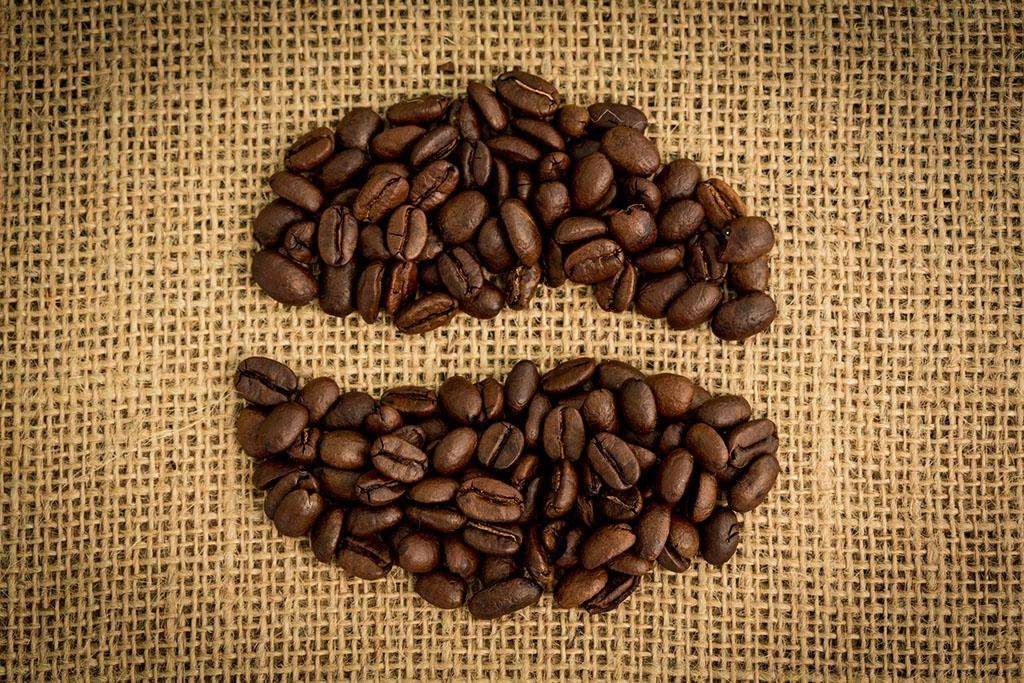
An introduction to Coffee Culture in Colombia
Following Cafe (Wechat official account vdailycom) found that the Beautiful Caf é opened a small shop of its own in Colombia's coffee-producing region in the Andes. Colombia has three north-south mountains that gradually merge from north to south to form part of the Andes. Coffee is grown along the highlands of these mountains. The climate there is mild and the air is humid.

What kind of coffee is from Inca? what is the taste of Peruvian coffee?
Professional coffee knowledge exchange more coffee bean information Please follow the coffee workshop (Wechat official account cafe_style) most Peruvian coffee is organic, mainly on small-scale farms, mostly grown in the Andes. Peru, with mountains accounting for 1% of the country's total area, belongs to a tropical desert region with a dry and mild climate. The average elevation of the Andes is 4000 meters above sea level, with an average annual atmosphere of 18 to 26 ℃